
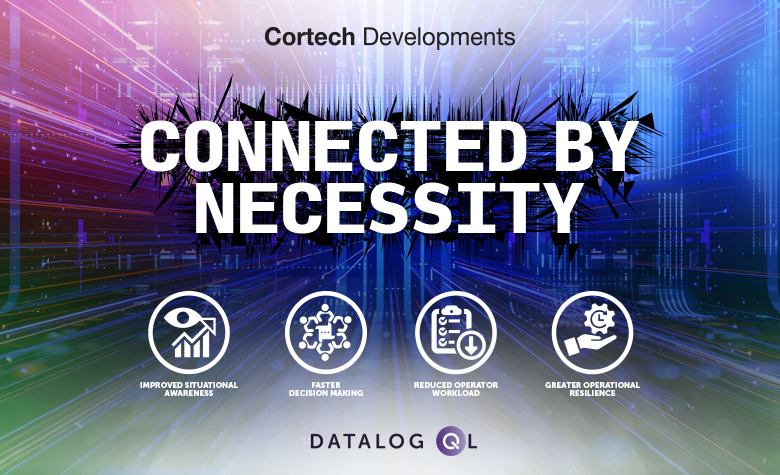
Siloed platforms and standalone systems are no longer sufficient to manage risk, maintain compliance, or respond effectively to incidents. This shift is driving a growing demand for integrated security management platforms that bring multiple systems together into a single, intelligent environment.
Critical sector organisations often operate a wide range of technologies, including:
When these systems operate independently, operators face challenges such as fragmented visibility, duplicated processes, and slower incident response.
Integration addresses these challenges by allowing systems to communicate, share data, and trigger intelligent actions. For critical sectors, this delivers:
It also supports compliance by providing clear audit trails and centralised reporting across systems.
As highlighted in Cortech’s previous thought leadership, the risks associated with outdated or poorly integrated systems are increasing. Cyber threats, regulatory scrutiny, and operational pressures mean organisations cannot afford gaps in visibility or control.
Modern security management platforms must be flexible, scalable, and designed to evolve alongside operational needs.
Datalog QL is designed specifically to support complex, multi-system environments. By acting as a central integration platform, it enables organisations to:
This approach allows organisations to adapt to new threats, technologies, and regulatory requirements without needing to replace entire systems.
System integration is no longer a short-term trend, it is an essential requirement for organisations responsible for protecting people, assets, and infrastructure. As environments become more connected, the ability to manage security holistically will continue to define best practice.
By investing in integrated platforms such as Datalog QL, critical sector organisations can reduce risk, improve resilience, and build a stronger foundation for the future.
