
Legacy software and outdated platforms can introduce significant risks to organisations, from cybersecurity vulnerabilities to operational inefficiencies. Yet many sites continue to operate with systems that are several generations behind current technology.
Understanding the risks of legacy systems, and the opportunities presented by modern platforms, is becoming increasingly important for organisations responsible for safety-critical environments.
In many organisations, the philosophy surrounding legacy systems is simple: if it still works, why replace it?
However, this mindset can overlook the hidden costs and risks associated with ageing technology.
Over time, legacy platforms can suffer from:
These limitations can significantly impact an organisation’s ability to respond to modern operational and security challenges.
One of the most significant concerns with outdated systems is cybersecurity. Older software versions often lack modern security protections and may no longer receive critical updates or patches. As cyber threats evolve, this can leave organisations exposed to potential attacks.
For organisations operating in sectors such as utilities, healthcare, custodial facilities, and data centres, the consequences of a cyber breach can be severe.
Security systems themselves, which often connect multiple technologies and networks, can become a potential entry point if not properly maintained or upgraded.
Many legacy platforms were designed for a very different technological landscape. Today’s systems must support:
Older platforms may struggle to integrate with these technologies, limiting an organisation’s ability to modernise its infrastructure.
Legacy systems can also impact day-to-day operations. Operators may need to manage multiple systems separately, manually correlate alarms, or rely on outdated user interfaces that slow response times. Modern platforms are designed with:
These capabilities allow teams to respond faster and make better operational decisions.
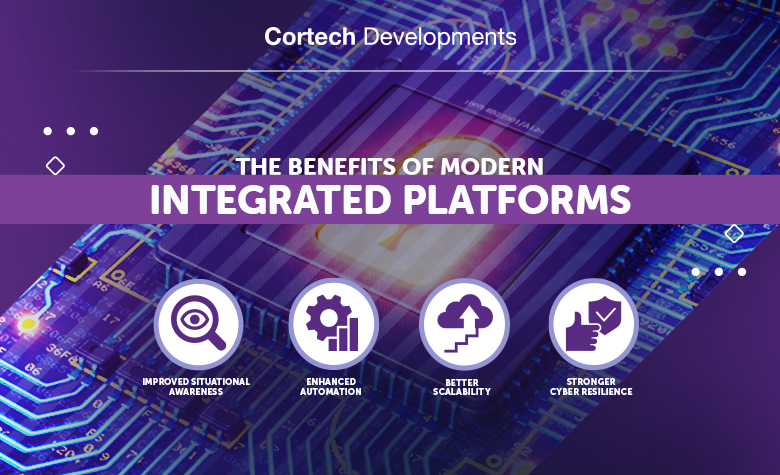
Upgrading to modern integrated platforms can deliver significant benefits across an organisation. These include:
Improved situational awareness: Centralised dashboards allow operators to view events across multiple sites and systems in real time.
Enhanced automation: Workflows and automated responses reduce manual tasks and improve incident management.
Better scalability: Modern platforms can expand easily as sites grow or technologies evolve.
Stronger cyber resilience: Secure communication protocols and modern development standards improve protection against emerging threats.
Modern solutions also allow organisations to future-proof their infrastructure while reducing the long-term costs associated with maintaining outdated technology.
For organisations responsible for critical infrastructure, security and operational systems are no longer just technical tools — they are essential components of resilience.
Upgrading legacy platforms provides an opportunity to rethink how sites are monitored, managed, and protected.
Rather than simply replacing ageing technology, organisations can take a more strategic approach, implementing integrated platforms that support smarter operations, improved security, and long-term adaptability.
Because in today’s threat landscape, maintaining the status quo may be the greatest risk of all.
