
Yet despite significant investment in these technologies, many organisations continue to face a common challenge: operational silos.
When systems operate independently of one another, gaining a complete understanding of an incident can become difficult, time-consuming, and inefficient.
As operational environments become increasingly connected, breaking down these silos is becoming essential.
Historically, security and operational systems were often deployed to meet specific requirements at a particular point in time.
Over the years, organisations have accumulated technologies from multiple vendors, each with its own interface, workflows, and management processes.
While these systems may function effectively on their own, they often provide only a partial view of events occurring across a site or estate. This can create several challenges:
During routine operations these issues may reduce efficiency. During critical incidents, they can significantly impact response effectiveness.
When an incident occurs, operators need immediate access to accurate information. They need to understand not only what has happened, but also how events across different systems may be connected.
A unified operational view enables organisations to bring information together from multiple sources, creating a clearer picture of events as they unfold.
Rather than managing isolated alarms and notifications, operators can understand incidents within their wider operational context.
Unified visibility is about more than centralising data. It is about creating meaningful relationships between systems and presenting information in a way that supports decision-making.
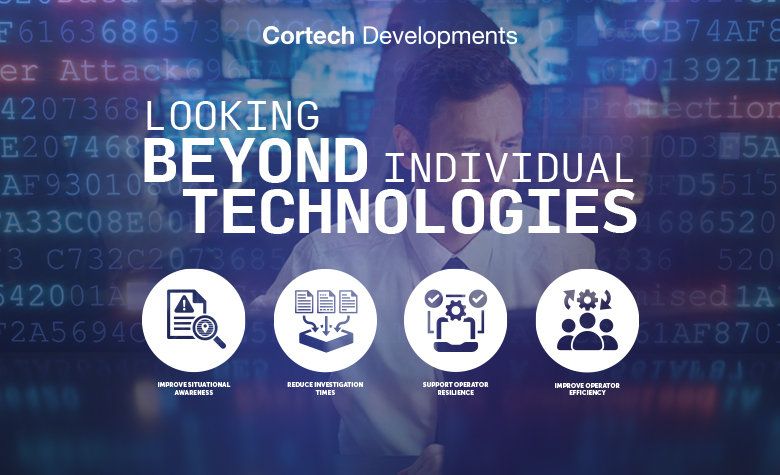
By bringing together security, safety, and operational technologies, organisations can:
Most importantly, operators can spend less time gathering information and more time managing events effectively.
The need for unified visibility extends beyond traditional security operations. Critical infrastructure operators, healthcare providers, transport networks, custodial environments, utilities, and data centres all face increasing demands around resilience, compliance, and operational continuity.
In these environments, understanding how different systems interact can be just as important as the performance of the individual technologies themselves.
As organisations continue to invest in new systems, the focus is shifting from individual products towards operational outcomes.
Success is no longer defined by how many technologies are deployed, but by how effectively information can be brought together and acted upon.
Organisations that can break down operational silos and create a unified view of security, safety, and operational information will be better positioned to respond quickly, manage risk effectively, and maintain continuity in an increasingly complex world.
